


This is the ultimate Herb Crusted Prime Rib Roast recipe! A juicy, garlic-infused rib roast is easy to make and perfect for any special occasion.
Need a show-stopping centerpiece? With a flavorful butter rub, it’s the kind of recipe that makes you look like a pro in the kitchen. The best part? It’s easier than you think to prepare.
Need another protein for the holidays? Try my Slow Cooker Turkey Breast or my Crockpot Ham!
Step-by-step photos and instructions are below, but you can jump right to the recipe card if you wish!

Would you like to save this recipe?
If you’re searching for the perfect prime rib recipe, this is it! The herb crust adds a flavorful layer to the juicy beef, while the slow roasting method ensures evenly cooked meat with every slice. Plus, your kitchen will smell amazing—bonus!
Whether you’re serving a small group or hosting a big holiday feast, this garlic herb crusted prime rib is a crowd-pleaser. The recipe is adaptable, so you can adjust the size of the roast to fit your gathering.
It’s all about bringing that steakhouse-quality meal to your table without the hefty price tag.
In this post, you’ll find everything you need to create a perfectly crusted, tender, and flavorful prime rib roast, complete with FAQs, serving ideas, and expert tips.
For a fancy-but-easy side, serve this with duchess potatoes.
I have included step-by-step photos and instructions, as well as tips and tricks in the post. If you’d rather skip all that, scoot right on down to the full recipe card located at the bottom of the post.

How to choose the best prime rib
Bone-in or boneless
Bone-in prime rib tends to have more flavor and stays juicier as it cooks. The bones act like a natural roasting rack, helping the meat cook evenly. Boneless is easier to slice, so it’s great if convenience is a priority. Both are delicious, so it’s really up to you!
Marbling
Look for a roast with lots of marbling—those little streaks of fat running through the meat. More marbling means more flavor and tenderness, so don’t skip this step!
Grade matters
If you want top-notch quality, go for USDA Prime. It’s more expensive but worth it for a special occasion. USDA Choice is still a great option if you’re looking to save a bit while keeping it delicious.
Size it right
Plan for about one pound per person if the roast is bone-in. If it’s boneless, you can go with about three-quarters of a pound per person. This ensures you’ll have enough to go around and maybe some leftovers!
Still have questions? Ask the butcher in your grocery store! They know allthethings.
What’s the Difference Between Standing Rib Roast and Prime Rib?
Cut of meat
Both come from the same part of the cow: the rib section. A standing rib roast is the technical name for the roast that includes the rib bones. It’s called “standing” because the roast stands on the bones as it cooks, acting like a natural rack.
Prime rib
The term “prime rib” is more about how the roast is prepared and served. It typically refers to a standing rib roast that’s been seasoned, cooked, and sliced for serving.

Why you’ll love this recipe:
This herb-crusted prime rib isn’t just delicious—it’s an experience! From the perfectly crisp crust to the tender, juicy center, every bite is a celebration of flavor.
Whether you’re hosting a holiday feast or a special dinner, this recipe will impress your guests and make you the star of the kitchen.
- Flavorful. The herb butter adds incredible taste to every bite.
- Adaptable. You can customize the rub and sides to suit your preferences.
- Juicy. The slow roast and resting time keep the meat tender and delicious.

Frequently Asked Questions
How much prime rib per person do I need?
Plan for about 1 pound of prime rib per person. An 8-pound roast will feed 8 people.
Why do I start at a high temperature and then lower it?
The high heat creates a crust, while the lower temperature ensures even cooking.
How do I prevent the bones from burning?
Cover the tips with foil if they start to brown too much.
Can I skip the horseradish in the rub?
Sure! Dijon mustard is a great alternative.
Can I use a boneless rib roast?
Yes, but bone-in adds flavor and helps retain moisture during cooking.
Prime Rib Side Dishes
Starchy sides: Try creamy mashed potatoes, Funeral Potatoes, or Potatoes au Gratin.
Veggies: Try sauteed green beans or some green beans almondine, or some glazed carrots.
Bread: Grab some Hawaiian Rolls, Whole Wheat Rolls, or make Garlic Cheese Rolls.
Prime Rib Temperature Guide
| Doneness | Remove from Oven | Final Temperature |
| Rare | 130 to 135°F | 130 to 140°F |
| Medium-Rare | 140°F | 145°F |
| Medium | 155°F | 160°F |
| Well Done | 165°F | 170°F |


Key Recipe Ingredients
Remember: this is just an overview and the why of the ingredients I choose here. The full list of ingredients and amounts is found in the printable recipe card below.
- Rib Roast. Bone-in Prime Rib is recommended for added flavor and moisture, but boneless prime rib works too.
- Butter. Use room-temperature butter for easy mixing and spreading.
- Fresh Herbs. These add a bright, earthy flavor, but dried herbs can work in a pinch.
- Garlic. Freshly minced garlic cloves is ideal, but pre-minced garlic can save time.
- Horseradish. Adds a tangy kick; substitute with Dijon mustard if preferred.
- Seasoning. Just a little salt and pepper on the meat. The big flavor comes from the garlic herb rub.
- Vegetables. The celery, carrots, and onions act as a flavorful base. You can eat them, but you can also discard them too! If you don’t want to use veggies, you can roast on a rack instead.


Recommended Equipment/Tools
(affiliate links may be used here, which helps me earn some pennies – with no increased pricing to you)
- Roasting pan
- Small mixing bowl
- Paper towels
- Meat thermometer
- Sharp knife
- Cutting board

How to cook Prime Rib

Scroll for Recipe
This next part is only a photo tutorial of the recipe steps. The full list of ingredients, quantities and instructions can be found in the printable recipe card below.
Get prepped
Take the rib roast out of the fridge and season it generously on all sides with kosher salt and black pepper. Let it sit at room temperature for about 2-3 hours. This helps it cook evenly. Preheat the oven, when you pull your roast out of the refrigerator.

Make the garlic herb butter
In a small bowl, mix the butter, rosemary, parsley, thyme, garlic, horseradish, and Worcestershire sauce until combined.
Pat the roast dry with paper towels, then rub the herb butter all over the meat.

Prep the roasting pan
Line a roasting pan with celery, carrots, and onions. Place the rib roast on top of the vegetables, bone-side down.

Roast at high heat
Preheat your oven to 500°F. Place the roasting pan in the oven and cook for 15 minutes to create a nice crust.
Slow roast
Reduce the oven temperature to 325°F. Cook the roast for about 13 minutes per pound, or until the internal temperature reaches 120°F for medium rare. Use a meat thermometer to check doneness. Cook time will vary based on weight and size of your prime rib.
Rest the roast
Remove the prime rib from the oven and transfer it to a carving board. Let it rest for 30 minutes—this locks in the juices and makes it easier to carve.
Carve the prime rib against the grain using a sharp knife.
Serve
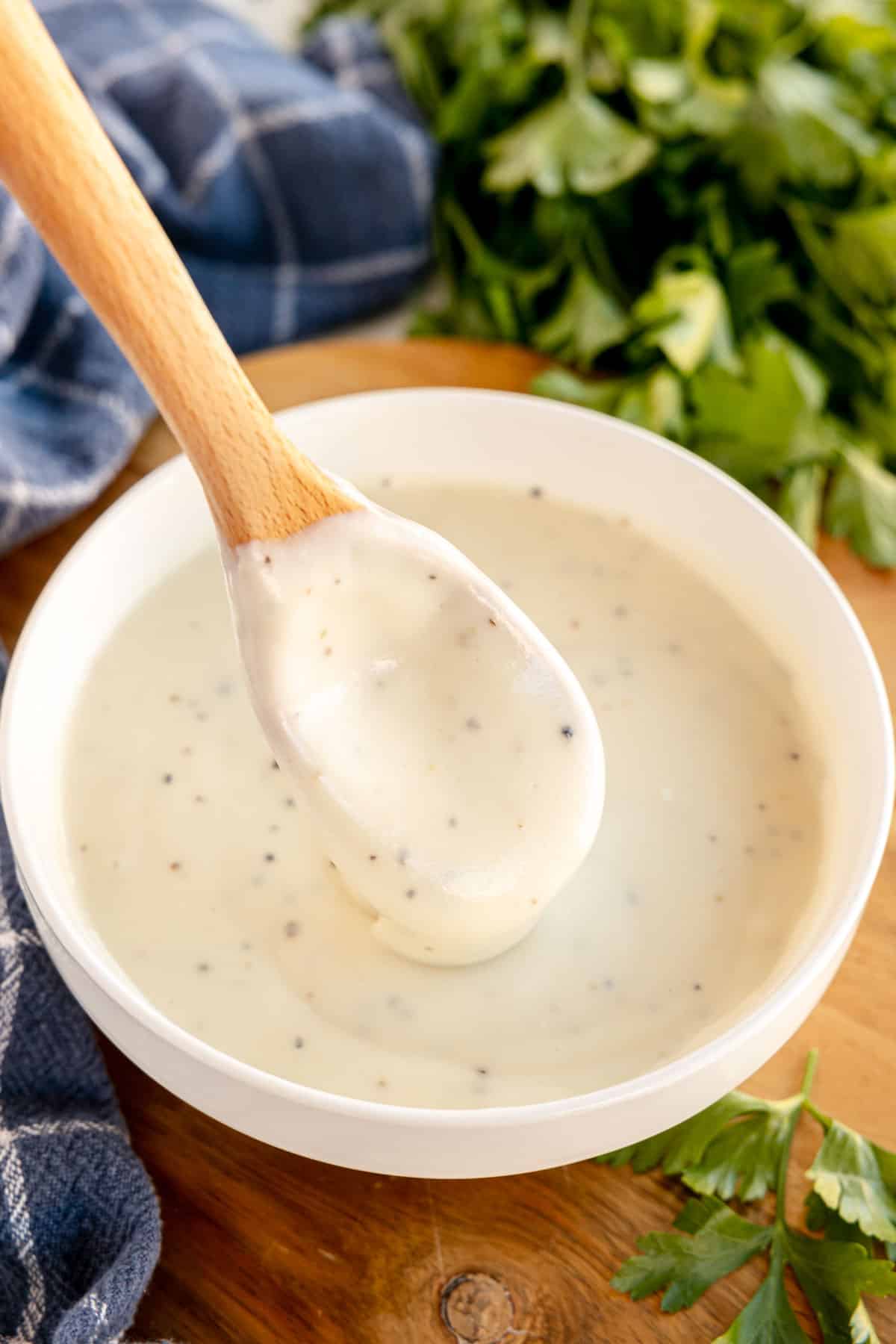
Serve with your favorite sides and horseradish cream for an extra kick.

Kylee’s Notes
- Let it rest. Bringing the roast to room temperature before cooking ensures even doneness.
- Keep bones from burning. If the bones start to brown too much, cover them with foil.
- Alternative to fresh herbs. If fresh rosemary, parsley, or thyme aren’t available, you can use dried—1 teaspoon of dried equals 1 tablespoon fresh.
- Horseradish substitute. Dijon mustard works well if you’re out of horseradish.
- Cutting the roast. Use a sharp knife to slice against the grain, using the bones as a guide for even portions.
Storing leftovers
Refrigerator: Store leftover prime rib in an airtight container for up to 4 days.
Freezer: Wrap tightly and freeze for up to 1 month. If vacuum-packed, it can last up to 6 months. Thaw overnight in the fridge before reheating.
Reheating Tips
Place slices of prime rib in a roasting pan with 1 cup of beef stock. Cover with foil and heat at 400°F for 10-15 minutes. Note: Reheating will cook the meat more, so it may go from medium rare to medium well.
Get free recipes in your inbox!
Find me on Pinterest, Facebook & Instagram.
If you make this recipe, please comment and let me know how it turned out and leave a star rating!

Herb Crusted Prime Rib Roast
Recommended Equipment
- Roasting pan
Ingredients
Rib Roast
- 5 pound rib roast
- 1 tablespoon salt
- 2 tablespoons pepper
- 4 stalks celery
- 2 carrots (halved)
- 2 medium onions (cut into wedges)
Herb Butter Rub
- 1/2 cup butter (room temperature)
- 1 tablespoon fresh rosemary (chopped)
- 1 tablespoon fresh parsley (chopped)
- 1 teaspoon fresh thyme (chopped)
- 6 cloves garlic (minced)
- 1 tablespoon horseradish (see notes)
- 1 teaspoon Worcestershire sauce
Directions
Get prepped
- Take the 5 pound rib roast out of the fridge and season it generously on all sides with 1 tablespoon salt and 2 tablespoons pepper. Let it sit at room temperature for about 2-3 hours. This helps it cook evenly.
Make the herb butter rub
- In a small bowl, mix 1/2 cup butter (room temperature), and the chopped 1 tablespoon fresh rosemary, 1 tablespoon fresh parsley, 1 teaspoon fresh thyme, 6 cloves garlic (minced), 1 tablespoon horseradish, and 1 teaspoon Worcestershire sauce until combined. Pat the roast dry with paper towels, then rub the herb butter all over the meat.
Prep the roasting pan
- Line a roasting pan with 4 stalks celery, 2 carrots, and 2 medium onions (cut into wedges). Place the rib roast on top of the vegetables, bone-side down.
Roast at high heat
- Preheat your oven to 500°F. Place the roasting pan in the oven and cook for 15 minutes to create a nice crust.
Slow roast
- Reduce the oven temperature to 325°F. Cook the roast for about 13 minutes per pound, or until the internal temperature reaches 120°F for medium rare. Use a meat thermometer to check doneness.
Rest the roast
- Remove the rib roast from the oven and transfer it to a carving board. Let it rest for 30 minutes—this locks in the juices and makes it easier to carve.
Serve
- Slice the roast against the grain using a sharp knife. Serve with your favorite sides and horseradish cream for an extra kick.
Would you like to save this recipe?
Notes
- Let it rest. Bringing the roast to room temperature before cooking ensures even doneness.
- Keep bones from burning. If the bones start to brown too much, cover them with foil.
- Alternative to fresh herbs. If fresh rosemary, parsley, or thyme aren’t available, you can use dried—1 teaspoon of dried equals 1 tablespoon fresh.
- Horseradish substitute. Dijon mustard works well if you’re out of horseradish.
- Cutting the roast. Use a sharp knife to slice against the grain, using the bones as a guide for even portions.
Nutrition Facts
Disclaimer
Nutritional information is an estimate and provided to you as a courtesy. You should calculate the nutritional information with the actual ingredients used in your recipe using your preferred nutrition calculator.









Leave a Reply