
Homemade Cajun Seasoning (Better Than Store-Bought)
This post may contain affiliate links. See our affiliate policy here.
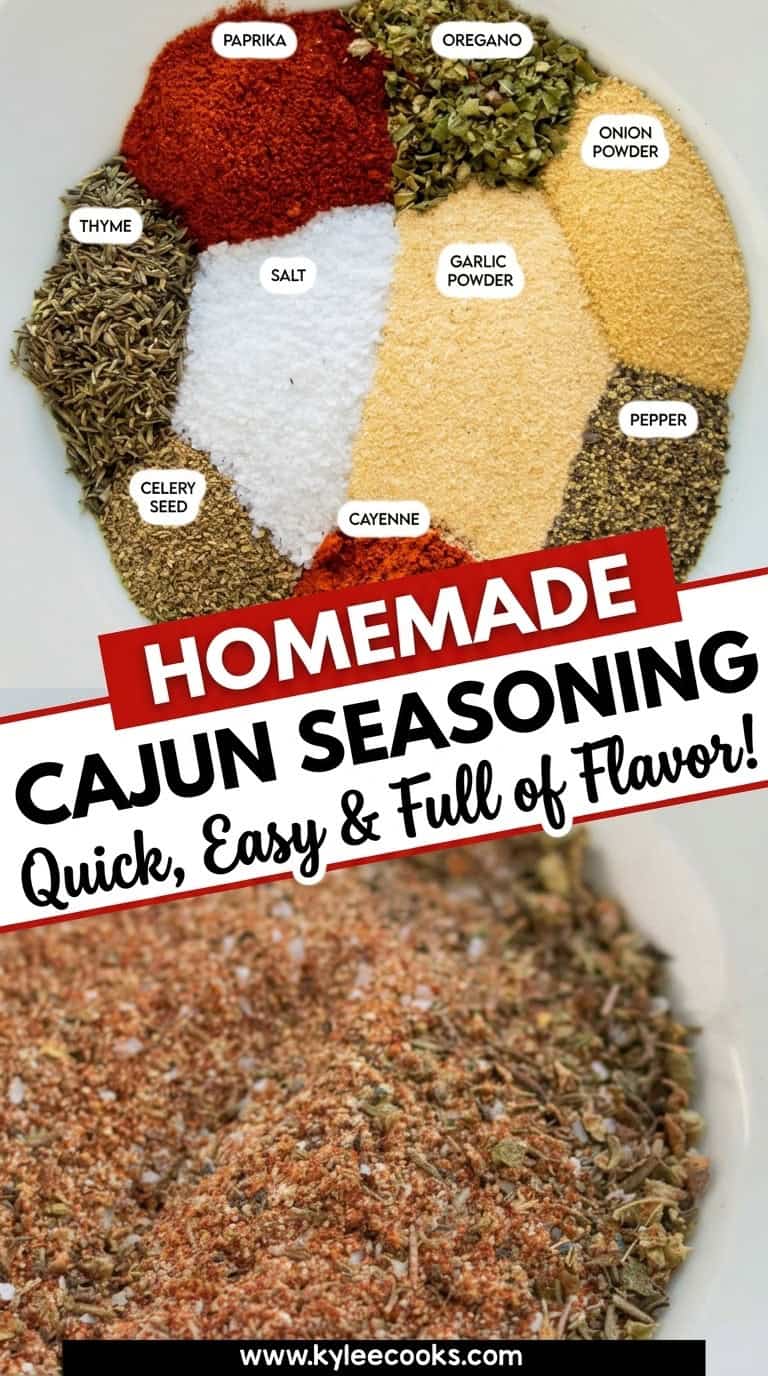
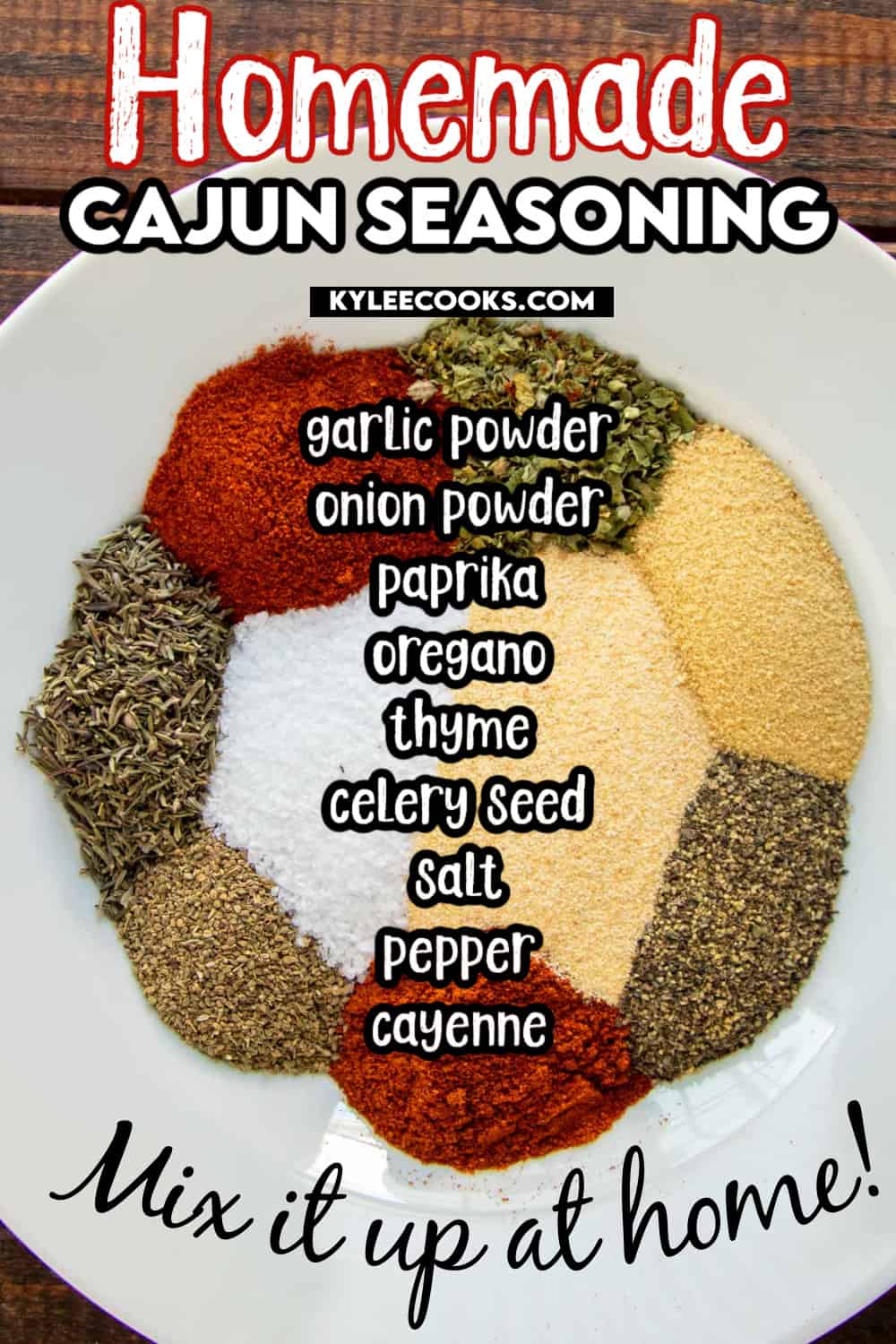
If there is one spice blend worth making from scratch, Cajun Seasoning is it. You probably have every single ingredient in your spice drawer right now, it takes five minutes, and the flavor blows anything from a jar out of the water.
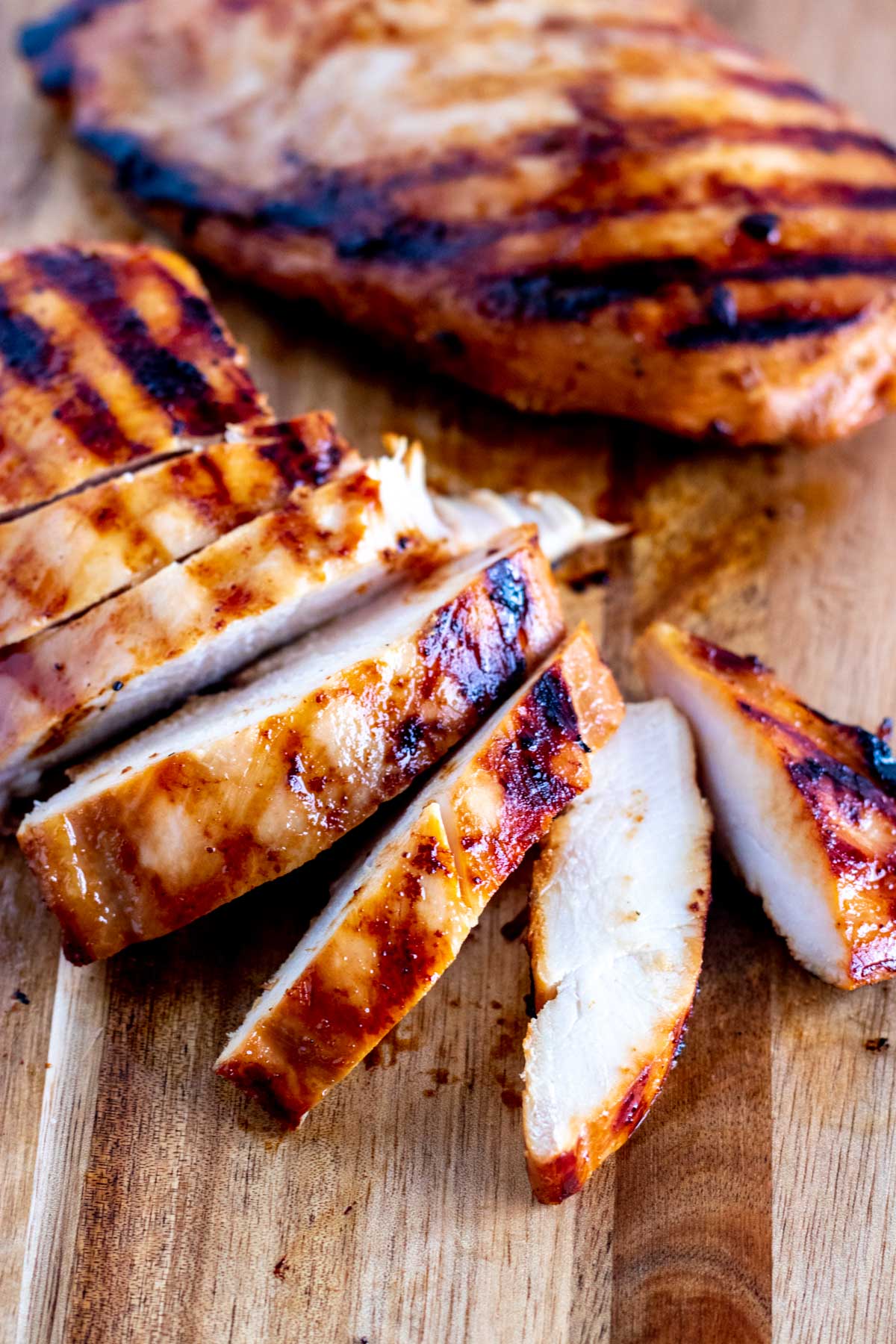
I use this bold flavor on everything – chicken breasts, shrimp, roasted vegetables, pasta, soups, and yes, even french fries. It is bold and a little smoky with just enough heat to be interesting without being overwhelming. And because you made it yourself, you can dial the cayenne up or down to suit your family.
This is one of those recipes you make once and then wonder why you ever bought the premade stuff. Make a big batch, store it in a jar, and you have got cajun seasoning ready to go whenever you need it.
Step-by-step photos and instructions are below. Jump to the recipe card if you wish!
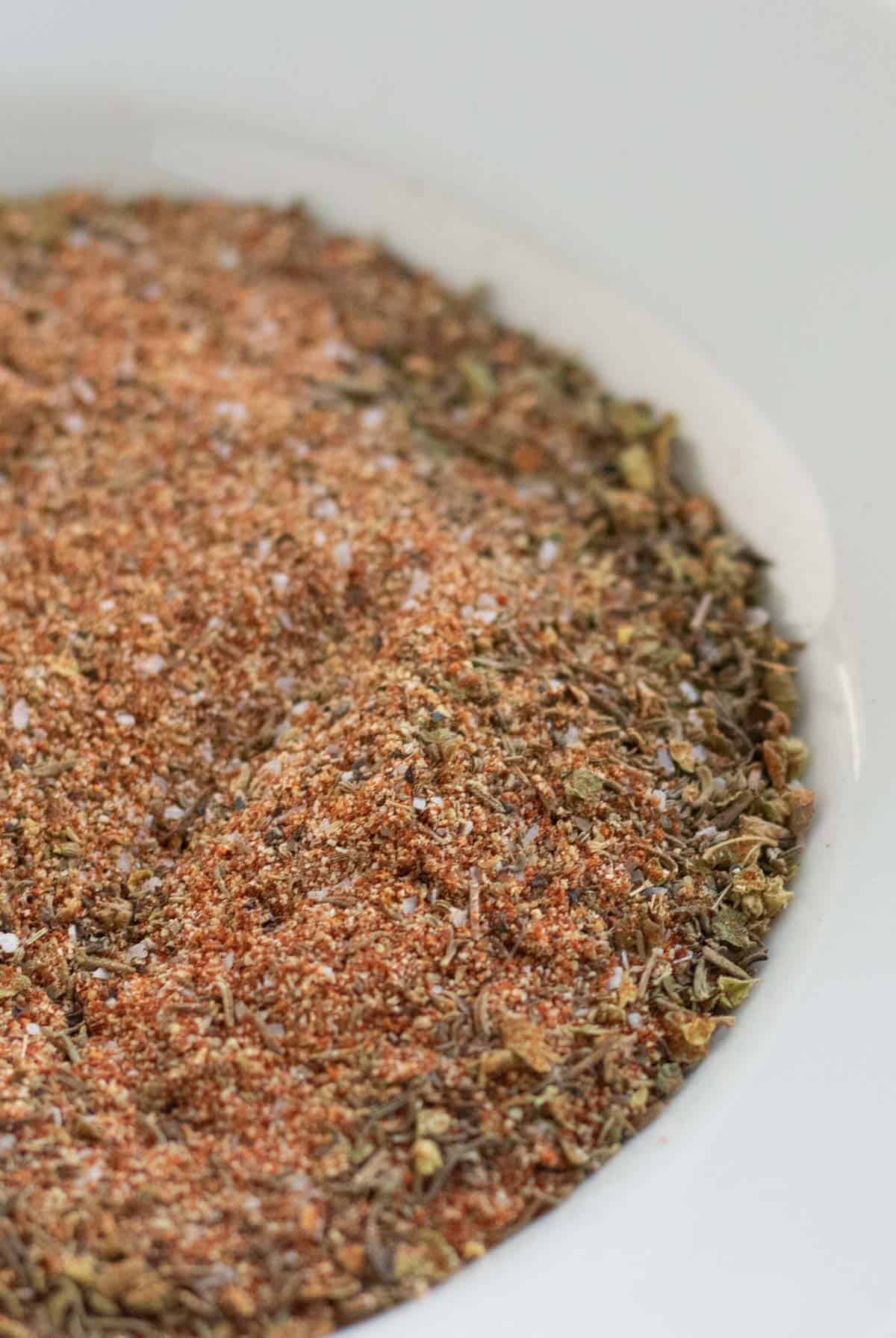
Why you’ll love this
This is the kind of recipe that earns a permanent spot in your kitchen. Once you have a jar of homemade cajun seasoning in your spice drawer, you will reach for it constantly.
- Ready in 5 minutes. Mix it up, store it, done.
- Fully customizable. More heat, less salt, or completely salt-free – you are in charge.
- Better flavor. Fresh spices beat a jar that has been sitting on a store shelf for months.
- Budget-friendly. A batch costs a fraction of what store-bought seasoning costs.
- Incredibly versatile. Chicken, shrimp, pork, vegetables, pasta, soups – it works on everything.
What is in cajun seasoning?
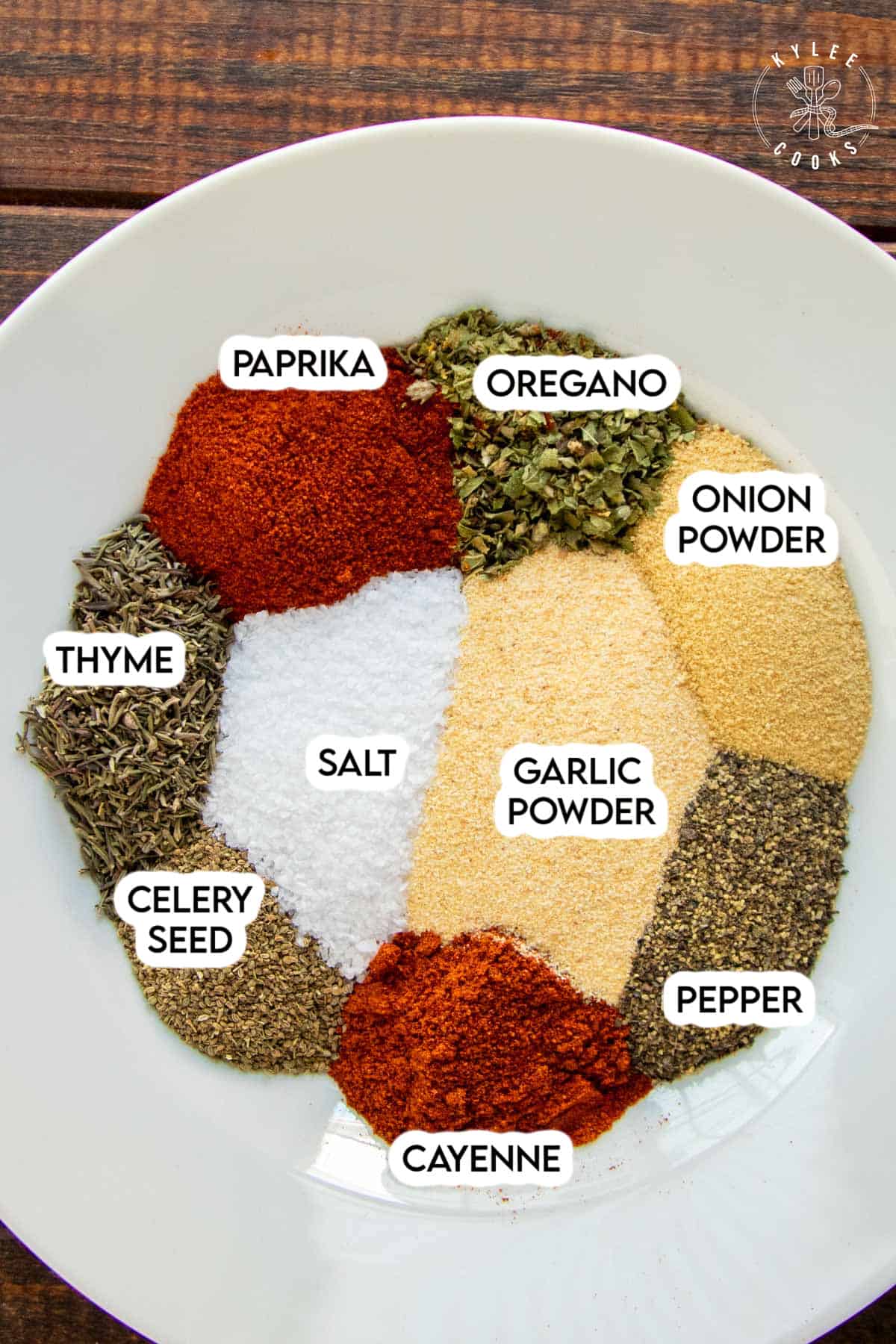
The core ingredients in cajun seasoning are paprika, garlic powder, onion powder, cayenne pepper, black pepper, dried oregano, dried thyme, and salt. Some blends also include celery seed, which is what this recipe uses. Every cook makes it a little differently, but those are the building blocks.
How spicy is this recipe?
As written, this recipe lands at a moderate heat level – noticeable warmth but not overwhelming. To make it mild, use half the cayenne. To make it hot, double it. You can also leave cayenne out entirely if you are cooking for young kids and just add a pinch to your own portion.
What is the difference between cajun and creole seasoning?
They are similar and often used interchangeably, but there are some differences. Cajun seasoning tends to be spicier and more pepper-forward. Creole seasoning usually has more dried herbs and is a little more complex. In most recipes you can swap one for the other without any issue.
Love homemade seasoning recipes? Try my Tuscan Seasoning, Poultry Seasoning, Italian Seasoning and Taco Seasoning.
Would you like to save this recipe?
How to use Cajun Seasoning
- This blend is incredibly versatile. Use it as a dry rub, mix it into marinades, stir it into soups and stews, or sprinkle it directly onto whatever you are cooking.
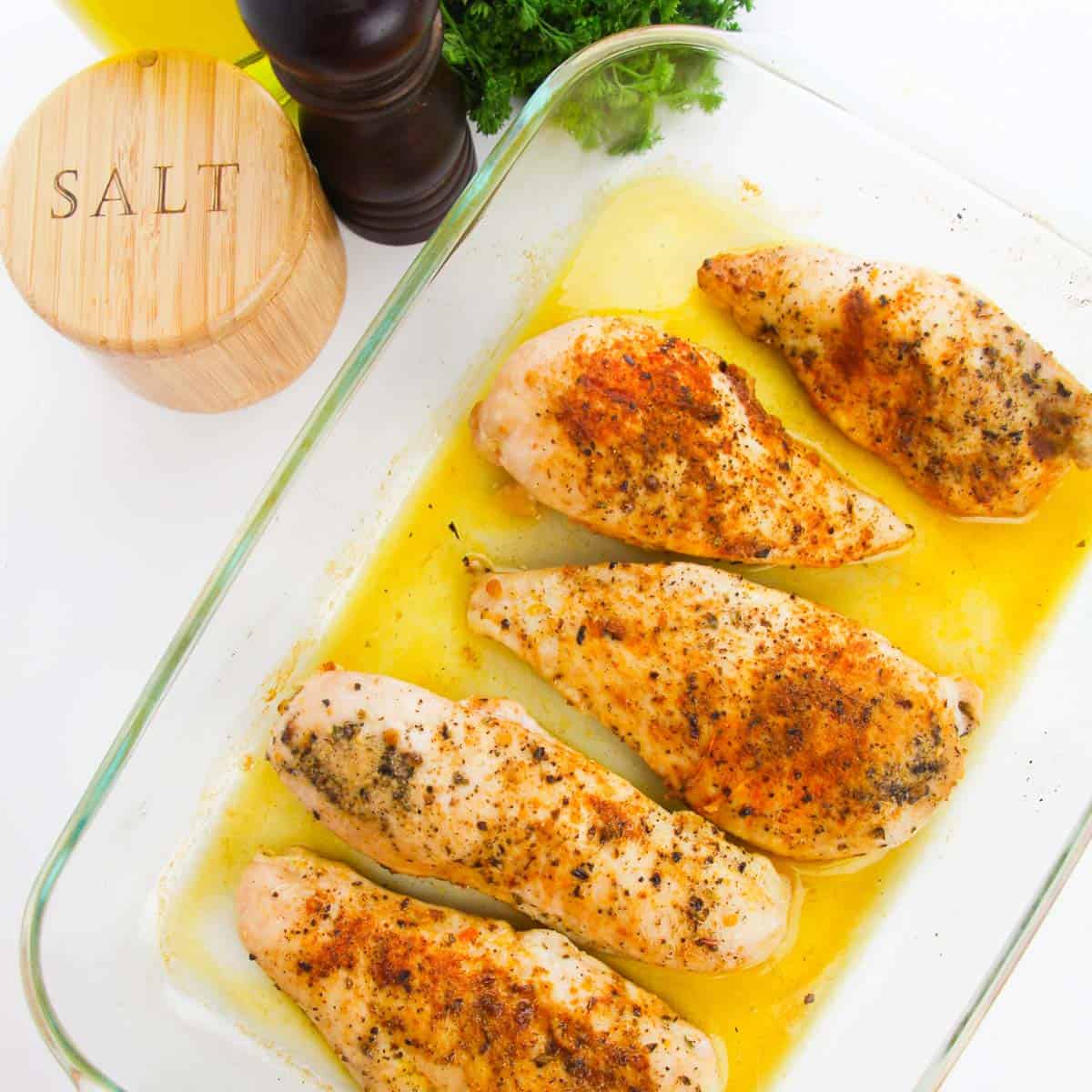
- It is fantastic on oven baked chicken breasts – just pat the chicken dry, rub a generous amount all over, and bake. It works the same way on pork chops, salmon, shrimp, and steak. Toss it with potatoes or vegetables before roasting and they come out bold and delicious.
- Try it stirred into southern green beans in place of the usual seasonings for a completely different vibe. Use it in gumbo, jambalaya, red beans and rice, or creamy pasta. Sprinkle it on popcorn or fries.
- If you are not sure whether cajun seasoning belongs in a dish, it probably does. It is also a great substitute for blackened seasoning – try it on my blackened tilapia for a slightly different but equally delicious take.
If you love making your own spice blends and pantry staples, check out my full collection of homemade pantry recipes.
Step-by-step photos and tips and tricks are below. Jump to the full recipe card instead
Key Recipe Ingredients
Note: This highlights some ingredients. Full list is in the recipe card.
- Garlic powder. This is the backbone of the blend. Garlic powder has a mellow, savory depth that fresh garlic cannot replicate in a dry spice mix. Do not substitute garlic salt here or your blend will be way too salty.
- Paprika. I use smoked paprika because it adds a subtle smokiness that makes the whole blend taste richer. Regular paprika works fine too if that is what you have – the flavor will just be less smoky.
- Onion powder. Rounds out the garlic and adds a savory base note. Do not skip it.
- Dried oregano. This is where cajun seasoning starts to overlap a little with Creole seasoning. It adds an earthy, herby note that balances the heat.
- Dried thyme. Same idea as the oregano – it adds herbal depth and a slightly floral quality. These two herbs together are what give this blend its distinctly Southern flavor.
- Pepper. I use freshly cracked black pepper. It adds heat and bite that is different from the cayenne. Pre-ground is fine, but freshly cracked gives you better flavor.
- Salt. I use kosher salt. If you are watching sodium or want to use this blend in recipes where you are already adding salt, feel free to leave it out entirely and season separately.
- Cayenne. This is where the heat comes from. The recipe as written gives you a moderate heat level. Halve it for something mild enough for kids. Double it if your family likes real spice. If you are out of cayenne, crushed red pepper flakes work – just grind them up a bit first in a mortar and pestle.
- Celery seed. This is a nod to Creole seasoning and I love it in this blend. It adds a faintly savory, slightly bitter note that makes the whole thing taste more complex. If you do not have it, just leave it out.
How to make homemade Cajun Seasoning
Scroll for Recipe
This next part is only a photo tutorial of the recipe steps. The full list of ingredients, quantities and instructions can be found in the printable recipe card below.
- Get prepped. Pull all your spices out and give each one a quick sniff. If you can’t smell them, they’re past their prime and worth replacing before you mix.
- Mix. Combine all ingredients in a small bowl and stir until everything is evenly distributed.
- Taste and adjust. Pinch a little between your fingers and taste it. Want more heat? Add a little more cayenne. Want it less salty? This is your chance.
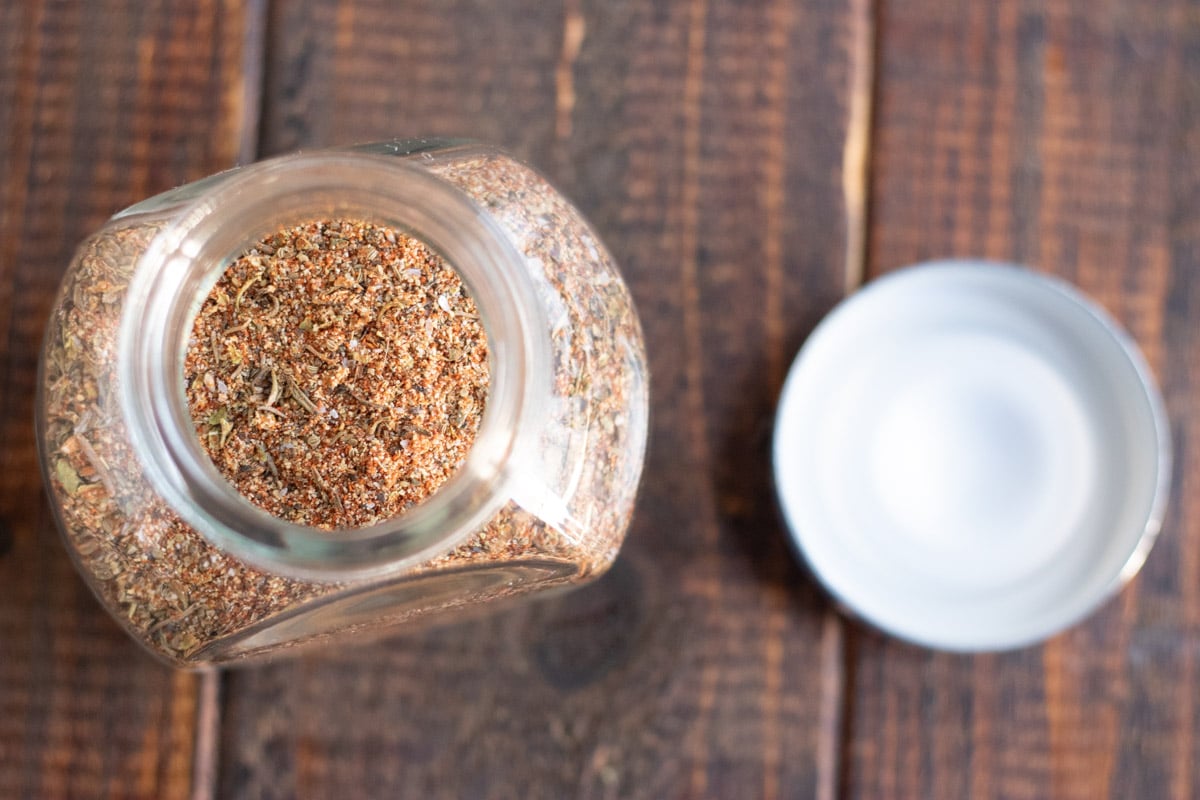
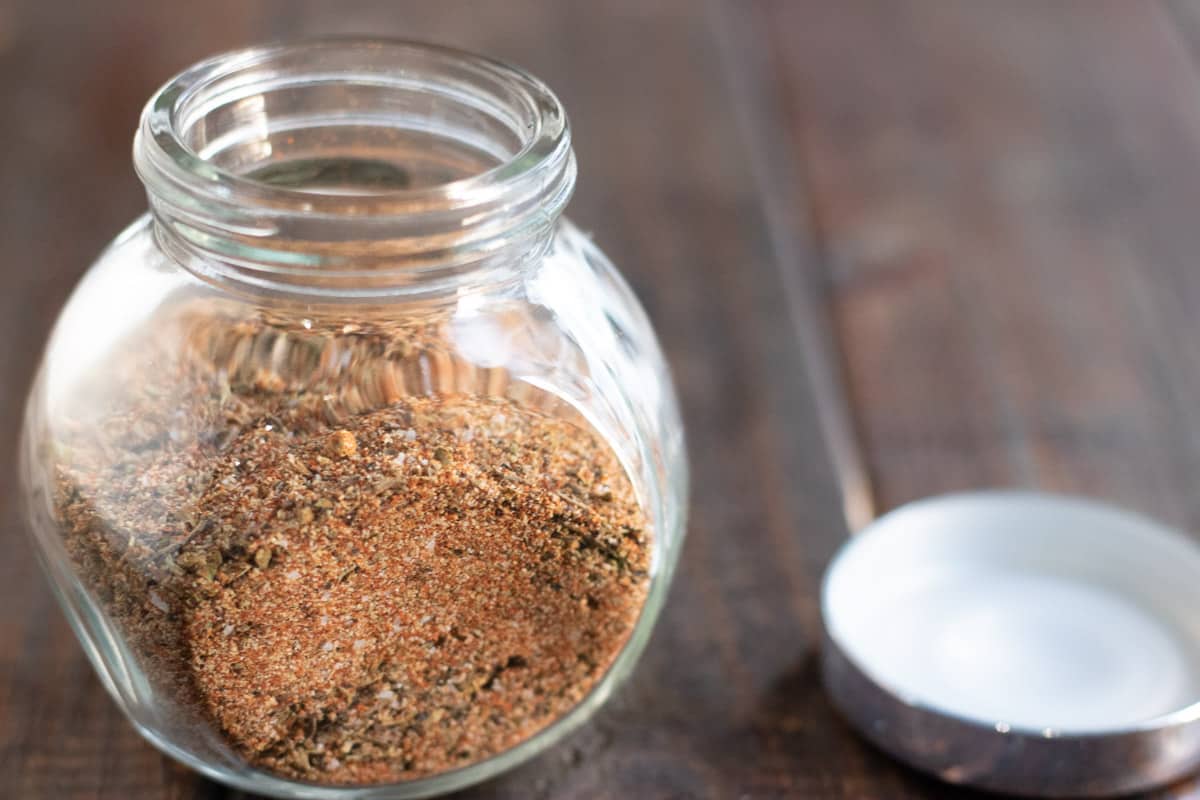
- Store. Transfer to an airtight container – a mason jar or clean spice jar works great. Store in a cool, dark place for up to a year.
Kylee’s Notes
- Check your spices first. Old, dusty spices make a dull blend. If you cannot smell your paprika or thyme when you open the jar, they have lost their potency. Fresh spices make a huge difference here.
- Make it salt-free. Leave out the kosher salt entirely and use this as a pure spice blend. Then season with salt separately in whatever recipe you are making. This gives you more control, especially if you are doubling a recipe or cooking for someone watching their sodium.
- Double or triple the batch. Seriously, just make more. It keeps for up to a year in an airtight container and you will go through it faster than you think. A mason jar or a clean spice jar with a tight lid works great.
- Adjust the heat before you store it. Taste a tiny pinch on its own before you seal the jar. If you want more heat, add a little more cayenne now rather than trying to fix it recipe by recipe.
- Smoked vs regular paprika. Smoked paprika gives you a richer, deeper flavor with a subtle BBQ-like smokiness. Regular paprika keeps things brighter and more straightforward. Both work – just know which one you are reaching for.
How to Store Cajun Seasoning
At room temperature: Store in an airtight container – a mason jar, a clean spice jar, or any small container with a tight lid. Keep it in a cool, dark place away from heat and moisture. Your spice drawer or pantry is perfect.
Shelf life: Stored properly, homemade cajun seasoning will stay fresh and flavorful for up to a year. After that it is still technically safe to use, but the flavor will start to fade. Give it a sniff – if it does not smell strongly of spice, it is time to mix a fresh batch.
Do not refrigerate: Moisture is the enemy of spice blends. The fridge introduces humidity and can cause the spices to clump and lose potency. Room temperature storage is best.
FAQs
Cajun seasoning is inspired by the Cajun people, who are descendants of French Canadian expellees in the U.S. Cajun food is rooted in rural southern Louisiana, often incorporates these vibrant and spicy flavors.
Yes, in most recipes they work interchangeably. The flavor will be slightly different – cajun is spicier and peppier, creole is a bit more herbal – but neither will ruin a dish if you make the swap.
Get free recipes in your inbox!
Find me on Pinterest, Facebook & Instagram.
If you make this recipe, please comment and let me know how it turned out and leave a star rating! ⭐⭐⭐⭐⭐

Homemade Cajun Seasoning
Ingredients
- 2 tablespoons garlic powder
- 2 tablespoons paprika
- 1 tablespoon onion powder
- 1 tablespoon dried oregano
- 1 tablespoon dried thyme
- 1 tablespoon cracked pepper
- 1 tablespoon kosher salt
- 1 tablespoon cayenne pepper
- 1 tablespoon celery seed
Instructions
- Get prepped. Pull all your spices out and give each one a quick sniff. If you can't smell them, they're past their prime and worth replacing before you mix.
- Mix. Combine all ingredients in a small bowl and stir until everything is evenly distributed.
- Taste and adjust. Pinch a little between your fingers and taste it. Want more heat? Add a little more cayenne. Want it less salty? This is your chance.
- Store. Transfer to an airtight container – a mason jar or clean spice jar works great. Store in a cool, dark place for up to a year.
Notes
- Paprika. Smoked paprika gives the best flavor, but regular works too.
- Cayenne. This makes a moderately spicy blend. Halve it for mild, double it for hot.
- Salt. Leave it out entirely for a salt-free version.
- Celery seed. Optional but worth it. Skip it if you don’t have it.
- Storage. Store in an airtight jar in a cool dark place for up to a year. Do not refrigerate.
- Batch size. Double or triple this easily – you will go through it faster than you think.
Would you like to save this recipe?
Nutrition
Nutritional information is an estimate and provided to you as a courtesy. You should calculate the nutritional information with the actual ingredients used in your recipe using your preferred nutrition calculator.
Did you make this recipe?
Make sure to follow @kyleecooks on Instagram for more and tag me #kyleecooks so I can see!
About Kylee Ayotte
I am a born and raised New Zealander (a Kiwi), now living in Phoenix, Arizona. I’m happily married to the love of my life – a hot American boy I met while traveling the world. I’m a mama to 2 awesome little boys and love red things, rugby, cheesecake, and bacon. Mmmmm. Bacon. Meet Kylee





Love it!
I love this idea for making a less spicy version the kids will eat!
I cook a lot of cajun food and def need to start making my own seasoning so I can control what goe sin it. Great recipe Kylee!